






A mobile mechanic does not get the luxury of a full shop five steps away. If a tool is missing, buried, or not built for real field work, the job slows down fast. That is why the best tools for mobile mechanics are not just about coverage. They are about speed, organization, durability, and carrying the right gear without hauling half the garage to every call.
The hard part is balance. Bring too little and you risk getting stuck on routine jobs. Bring too much and your van, truck, or service trailer turns into dead weight and wasted time. The right setup sits in the middle - compact, dependable, and built around the repairs you actually do most often.
What makes the best tools for mobile mechanics?
For field service, a good tool has to earn its space. That starts with durability, but that is only one part of it. A tool can be strong and still be a bad fit if it is bulky, hard to store, or slow to access.
Mobile work puts extra pressure on organization. In a fixed shop, losing a socket for five minutes is annoying. On a roadside call or driveway repair, it can throw off the entire appointment. The best tools for mobile mechanics are the ones you can grab fast, trust under load, and put back in a system that makes sense at the end of the job.
That is also where buying habits shift. A lot of mobile techs are not looking for flashy extras. They want professional-grade tools that hold up, perform under pressure, and make the workflow cleaner. Built tough matters. So does honest value.
1. A compact ratchet and socket set
If there is one category that carries the most weight in mobile work, it is ratchets and sockets. Most field jobs live here - battery service, brake work, alternators, starters, suspension components, underbody fasteners, and general teardown.
A strong mobile set needs broad size coverage without turning into a huge case that eats up storage space. That usually means a smart mix of shallow and deep sockets in the drive sizes you use most, paired with reliable ratchets that feel solid in the hand and hold up to daily use. Quick engagement helps in tight engine bays, but the bigger win is consistency. A ratchet that slips, binds, or fails under repeated use does not belong in a mobile setup.
Impact-rated sockets are worth prioritizing if you regularly use cordless impact tools. Standard chrome sockets still have their place, especially for hand work, but mobile mechanics do not have room for weak links.
2. Combination wrenches that cover real-world sizes
There are still plenty of jobs where a socket will not fit, will not swing, or just is not the fastest option. That is where combination wrenches earn their keep. For mobile repair, skip the random assortment approach. You want a complete, organized set of the sizes you reach for every week.
Access matters as much as strength. Thin profiles can help in cramped spaces, but they still need enough backbone to handle stubborn fasteners. A wrench set that scatters around a drawer or tool bag is also a problem. Field work rewards wrench organization because it cuts search time and makes it obvious when a size is missing before you leave for the job.
3. Torque tools you can trust
Mobile mechanics do not get a pass on torque specs. Wheel lugs, suspension hardware, spark plugs, drain plugs, and plenty of engine components still need the right clamping force, whether the repair happens in a bay or in a customer’s driveway.
A dependable torque wrench belongs in any serious mobile kit. The exact range depends on your typical service mix, but accuracy and repeatability are the real priorities. This is not the place to cut corners. Comeback repairs and liability issues cost more than carrying the right torque tool from the start.
4. Pliers that handle more than one job
Pliers pull more weight in mobile work than people give them credit for. You need them for hose clamps, electrical work, clips, trim fasteners, cotter pins, and plenty of awkward grab-and-hold situations.
The trick is choosing a few that cover a lot of ground. Slip-joint, needle-nose, and cutting pliers form a strong base. If your work leans into electrical diagnosis or harness repair, that changes the mix slightly. If you do more undercar service, gripping strength becomes the bigger priority. It depends on your jobs, but either way, these are not tools to toss loose in a bin. Organized plier storage keeps the set complete and ready.
5. Pry bars for controlled force
Pry bars save time when parts are rusted, misaligned, or packed into tight areas. They help with suspension work, trim removal, bracket positioning, and separating stubborn components without reaching for something that was never meant to be used as a lever.
Mobile mechanics should carry a few sizes instead of one oversized bar that does not fit where it is needed. Smaller bars often get more use than people expect, especially on interior, engine bay, and light underbody work. Strength matters, but so does control.
6. A cordless impact setup that makes sense
Cordless power can dramatically speed up mobile repairs, but only if the setup is realistic for your workload. A compact impact wrench or driver can save your shoulders and cut job time on common fasteners. The mistake is going too heavy, too specialized, or too battery-hungry for the kind of service calls you actually run.
For mobile mechanics, battery management is part of tool selection. One or two dead batteries can turn a productive day into a backup plan. Keep your cordless lineup tight, useful, and easy to support in the field.
7. Good lighting, not just any flashlight
Bad lighting causes mistakes. It also wastes time. Mobile mechanics work in parking lots, on curbs, in dim garages, and sometimes after daylight is gone. A dependable work light is not optional.
What works best usually depends on where you spend most of your time. Underhood work may call for broad, even light. Tight repairs under the dash may need something more focused and compact. The point is simple: if you cannot clearly see the fastener, fitting, or failure point, the rest of your tool setup is already compromised.
8. Diagnostic basics that travel well
Not every mobile mechanic handles deep diagnostics, but most need a basic way to check vehicle conditions and verify repairs. That can include test equipment, inspection tools, and compact items that help narrow down faults without taking over the entire vehicle.
This is one area where discipline matters. It is easy to overpack with specialty gear you only use once in a while. Mobile setups work better when the diagnostic tools match the service menu. If you focus on maintenance and common repairs, build around that. If you do heavier troubleshooting, your carry load should reflect it.
9. Screwdrivers and bit drivers with real staying power
Screwdrivers seem simple until cheap ones start camming out, twisting, or taking up too much room. For mobile work, you want a core set that covers the common profiles and sizes without clutter.
A bit driver can be a space saver, especially for interior work and compact storage. Still, dedicated screwdrivers often feel better under load and hold up better for repeated use. Many mobile techs end up carrying both because each earns its place.
10. Tool organization systems that save minutes on every job
This is where a lot of mobile mechanics either get faster or stay frustrated. The best hand tools in the world do not help much if sockets roll around in drawers, wrenches stack into a pile, and pliers disappear under extension cords and gloves.
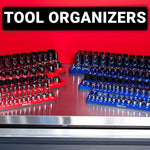
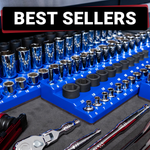
Organization is not cosmetic. It is productivity. Socket organizers, wrench organizers, plier holders, and fitted drawer systems help you spot missing tools fast, cut setup time, and keep your service vehicle from turning into chaos by midweek. For a mobile mechanic, that is real money and less stress.
This is also where Olsa Tools stands out. The brand has built a strong reputation around mechanic-focused organization that helps professionals work faster without paying for a bloated badge. For mobile setups, that practical edge matters.
11. Extensions, adapters, and impact accessories
A lot of field repairs come down to access. The fastener is there, but not in a straight line, and not with enough room for a standard setup. That is why extensions, adapters, and impact accessories belong in the core kit, not as afterthoughts.
These small pieces make your main tools more capable. They also disappear easily if your storage system is weak. Keep them sorted, visible, and grouped by use. Otherwise you end up buying the same missing pieces twice.
12. A carry setup built for how you work
Some mobile mechanics work out of vans with drawer systems. Others use truck boxes, packout-style cases, or a service body with dedicated compartments. There is no single correct answer. The best setup depends on how many calls you run, what type of repairs you take, and how often you restock.
What does hold true is this: your tool storage has to support your workflow. Heavy-use tools should be the easiest to reach. Fragile or precision tools should be protected. Frequently paired items should live together. If you have to unpack half your vehicle to reach one socket rail, the system is costing you time.
Build around your actual jobs
A mobile mechanic doing brakes, batteries, and suspension does not need the same kit as someone handling diagnostics, electrical work, and no-starts. That sounds obvious, but many techs still build their loadout around every possible job instead of the work they actually book.
Start with your top service categories. Then ask which tools get used constantly, which ones save the most time, and which ones create the most downtime when they are missing. That is how you build a field-ready setup that stays lean without leaving you exposed.
The best tools for mobile mechanics are the ones that keep you moving, keep you organized, and hold up when the day gets messy. If a tool speeds up the work, survives real use, and fits a system that makes sense, it belongs in the truck. If not, it is just taking up space.