
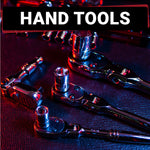






A ratchet that slips under load, a wrench that rounds fasteners, a drawer full of tools you can’t find when the bay is backed up - that’s not just annoying. It costs time, confidence, and money. Professional grade hand tools are supposed to remove friction from the job, not add to it. If a tool is truly built for daily use, you feel it in the fit, the finish, the grip, and the way it holds up after months of real work.
That phrase gets thrown around a lot, though. Plenty of tools look the part in a product photo. The real test happens in a cold shop at 7 a.m., on a stubborn fastener, with a deadline and no patience for excuses. That’s where the difference shows.
What Makes Professional Grade Hand Tools Different
The biggest difference is not branding. It’s performance under repetition. A professional tool is built for daily cycles of use, not occasional weekend projects. That means better steel, tighter tolerances, stronger finishes, and designs that make sense when your hands are greasy, your access is limited, and speed matters.
Take a ratchet as an example. On paper, many ratchets look similar. In practice, the details separate the keepers from the junk. The mechanism should engage cleanly, the selector should feel positive, and the handle should give you control without chewing up your hand during extended use. A socket should seat properly and stay consistent across the set. A wrench should grip fasteners with confidence, especially when corrosion or tight clearances make the job less forgiving.
Durability matters, but so does predictability. Good tools behave the same way on the first job and the five-hundredth. That consistency is what working techs pay attention to. If you’re reaching for the same tool every day, it needs to deliver the same result every time.
Professional Grade Hand Tools Are About Workflow Too
A lot of people reduce tool quality to hardness, finish, or warranty. Those matter. But workflow matters just as much. The right tool saves motion. The right storage setup saves minutes on every task. Over the course of a week, that adds up fast.
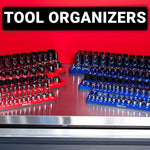
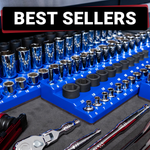
A professional setup is not just a pile of strong tools. It’s a system. Your sockets should be organized in a way that makes size changes instant. Your wrenches should be visible and easy to return. Pry bars, pliers, torque tools, and impact accessories should have a home that keeps them protected and ready. When tools disappear into a messy drawer, even excellent tools become slower to use.
That’s one reason serious users care so much about organization. It is not cosmetic. It is operational. In a service bay or mobile setup, every unnecessary reach or search breaks rhythm. A well-organized drawer can be just as valuable as a premium tool because it helps every tool perform at its best.
The Signs a Tool Is Built for Real Work
The first sign is fit and finish, but not in the flashy sense. You want clean machining, smooth engagement, accurate sizing, and grips or handles that feel secure without being bulky. Chrome that looks good is nice. Chrome that resists corrosion and cleans up easily after a long week is better.
The second sign is how the tool manages stress. A professional-grade breaker bar, wrench, or ratchet should inspire confidence under load. That does not mean abuse-proof. Any tool can fail if misused. It means the tool is engineered with enough margin to handle the kind of force and repetition that real shops demand.
The third sign is design logic. Good tools solve common problems before they happen. Maybe that means a low-profile head for access, clearly marked sizes that stay legible, or organizer systems that keep sets complete and visible. These details don’t always stand out on a shelf, but they matter every day in use.
Where Buyers Get It Wrong
A common mistake is buying for the rare extreme job instead of the daily workload. If most of your day involves repeated fastening, frequent size changes, and moving between bays or service calls, your setup should prioritize speed, comfort, and organization as much as raw strength. You need tools that reduce drag on routine work.
Another mistake is assuming every heavy tool is a professional one. Weight alone proves very little. Some tools feel substantial because they are overbuilt in the wrong places. Others are compact, efficient, and stronger where it counts. Balance matters. So does access. A bulky tool that can’t get into tight spaces may spend more time in the drawer than in your hand.
Then there’s the habit of buying random pieces instead of building a working system. That approach can save a few dollars up front, but it often creates overlap, gaps, and clutter. A smart setup starts with your most-used categories - ratchets, sockets, wrenches, pliers, torque tools, and organizers - then fills in specialty tools based on actual demand.
How to Choose Professional Grade Hand Tools for Your Work
Start with frequency. Ask yourself which tools touch the job every day. Those are the ones that deserve the highest scrutiny. If you use a ratchet, a certain socket range, and a handful of wrenches all day long, those should be dependable, comfortable, and easy to access. Specialty tools matter, but your core tools shape your whole workflow.
Next, think about environment. A mobile mechanic has different priorities than a fixed-bay tech. Field work puts more pressure on portability and compact organization. Shop work may demand broader drawer systems and faster visual inventory. If you work around moisture, chemicals, or constant dirt, corrosion resistance and easy cleanup become more important.
Then consider hand feel. This part is personal, and there’s no way around it. Some users want a slimmer handle for control. Others want more surface area for leverage and comfort. Neither is automatically right. What matters is whether the tool helps you work longer with less fatigue and no second-guessing.
Warranty and support should be part of the decision too, but not as a substitute for quality. A strong warranty is valuable because tools live hard lives. Fast support matters because downtime matters. But the real goal is not replacing failed tools. It’s owning tools you trust enough that replacement is the exception, not part of the routine.
Why Organization Belongs in the Same Conversation
If you’re serious about professional grade hand tools, you should be just as serious about where they live. The best socket set in the world loses value if half the sizes are mixed together in a drawer. The best wrench set becomes a hassle when you have to dig for the one you need.
Organization improves speed, protects your investment, and makes missing tools obvious before they become a problem. It also helps maintain standards across your workspace. When every tool has a place, cleanup is faster and setup stays consistent. That means less wasted motion and fewer interruptions during jobs.
This is where a brand like Olsa Tools fits the real world well. The value is not just in durable hand tools. It’s in building mechanic-focused systems that help those tools work harder, stay visible, and stay ready. For pros and serious DIY users alike, that matters more than hype ever will.
The Trade-Offs Are Real
Not every user needs the same level of coverage or specialization. A professional technician working flat-rate jobs may need a broader range, more redundancy, and more advanced organization than a weekend builder maintaining a couple of vehicles. Both can benefit from pro-level tools, but the right setup is not identical.
There is also a balance between buying once and buying all at once. For some people, the smartest move is upgrading the highest-use tools first, then building out the rest of the kit over time. For others, especially those losing time to disorganization, starting with storage and organization can create the biggest immediate improvement. It depends on where the friction is in your day.
What does not change is the standard. Professional grade hand tools should help you work faster, cleaner, and with more confidence. They should hold up to repeat use, fit the task properly, and support a workflow that makes sense in a real garage, truck, or service environment.
If a tool earns a permanent place in your hand and a clear place in your drawer, it’s doing its job. That’s the benchmark worth buying for.