





Ask that question in any working shop and you’ll get strong opinions fast. Who has the best hand tools is not really a debate about logos - it’s a debate about what holds up under load, what feels right after a long day, and what helps you work faster without wasting money on hype.
That matters because most mechanics and serious DIY users are not buying tools for display. They’re buying for repeat use, tight spaces, busted fasteners, time pressure, and the kind of daily wear that exposes weak steel, sloppy tolerances, and poor design in a hurry. The best hand tools are the ones that keep earning drawer space.
Who has the best hand tools? Start with the job
There is no single winner for every user because the work itself changes the answer. A mobile mechanic dealing with road calls needs a different mix of priorities than a technician stationed in a well-equipped service bay. One may care more about compact carry, while the other may care more about complete sets and drawer organization.
That said, the same standards still apply. Good hand tools should feel precise, not loose. They should survive real torque, not just light duty. They should be easy to identify, easy to grab, and easy to put back where they belong. If a tool performs well but disappears into a messy drawer every day, it still slows the job down.
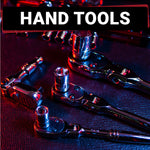
The best brands understand that hand tools are part of a system. Ratchets, sockets, pliers, pry bars, torque tools, and organizers all affect workflow. When the gear is built for the way mechanics actually work, speed goes up and frustration drops.
What separates great hand tools from average ones
Durability comes first, but durability is more than hard steel and a polished finish. It’s about how a ratchet handles repeated engagement, how a wrench holds its geometry under pressure, and how a socket fits fasteners without introducing slop. The difference between good enough and genuinely professional shows up over time.
Fit and finish matter because they affect confidence. A clean fit on the fastener helps reduce rounding. Consistent sizing across a set means fewer surprises. A comfortable grip means less hand fatigue when the job drags on. These are not small details when you’re turning tools all day.
Then there’s serviceability and warranty support. A strong warranty only helps if the brand stands behind it without making the process a headache. Working people do not have time for endless back-and-forth when a tool fails. Fast support and a clear guarantee are part of the product, not an extra perk.
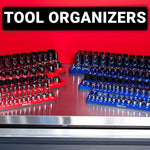
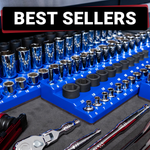
Organization is often ignored in this conversation, but it shouldn’t be. The best hand tools are easier to own when they come with a smarter way to store them. Mechanics lose time every day hunting for a missing socket, digging for the right wrench, or realizing a tool never made it back into the drawer. Better organization protects the investment and keeps jobs moving.
Who has the best hand tools for professional use?
For professional use, the answer usually comes down to consistency. You want tools that can take daily abuse, keep tight tolerances, and fit naturally into a repeatable workflow. A single strong ratchet is nice. A complete system of tools that works well together is what actually improves your day.
That’s why seasoned techs often judge hand tools by practical questions instead of marketing claims. Does the ratchet mechanism stay smooth after months of use? Do the sockets seat properly and release cleanly? Do the pliers grip without flexing? Do the organizers keep your setup clean enough that you stop wasting minutes on every job?
The best hand tools for pros also hit a value sweet spot. Not cheap, not inflated, just honest quality that matches the demands of the work. Most professionals are willing to invest in their setup, but they also know overpaying for a badge does not automatically get better performance. They want proven utility, long-term durability, and support they can count on when it matters.
Why tool feel still matters
There’s a reason experienced mechanics can tell quickly whether a tool belongs in the box. Hand feel is real. Balance, grip shape, directional switches, engagement smoothness, and access in tight areas all add up.
A ratchet that feels solid and predictable gives you confidence on stubborn fasteners. A wrench with clean edges and proper machining feels more controlled in the hand. Pliers that open and close smoothly with no rough spots are easier to trust during delicate work and harder pulls alike.
This is where buying hand tools online can feel like a gamble for some users. You can read specs all day, but real-world feel is harder to measure on a screen. That’s why trust signals matter. Clear product details, honest warranty coverage, strong customer support, and a risk-free trial can make the difference between taking a chance and moving on.
The hidden factor: workflow
A lot of people ask who has the best hand tools when what they really mean is, who helps me get through jobs faster with less aggravation? That’s a workflow question.
The best tool setup reduces friction. You know where every socket lives. You can see missing tools at a glance. Your wrenches are organized by size. Your pry bars, pliers, and torque tools are stored in a way that matches how you actually work. That setup cuts waste from every repair, every inspection, every teardown.
This is one place where Olsa Tools has built a strong case. Professional-grade hand tools matter, but pairing them with mechanic-focused organization systems changes the daily experience in a way many brands overlook. Good tools solve one part of the problem. Good tools plus smart storage solve more of it.
How serious buyers should judge the field
If you want a real answer to who has the best hand tools, stop looking for a one-line verdict and start grading brands on the things that affect ownership.
First, look at construction quality. Materials, machining, finish, and tolerance consistency all matter. A tool should feel dependable from the start and prove it over time.
Second, look at range. A brand that supports real mechanic work should offer more than isolated hero products. It should cover the core categories you rely on and make it easier to build out a complete setup.
Third, look at support. Warranties are easy to advertise. Responsive service is harder to fake. If a company treats support like an afterthought, that usually shows up somewhere else too.
Fourth, look at how the tools live in your space. Drawer layout, retention, visibility, and access matter more than most buyers think. The right organization can make a solid set feel even better because it stays protected and ready.
Finally, be honest about your use case. If you turn wrenches every day, buy for repeated hard use. If you’re a serious weekend user, buy for longevity and completeness, not just the lowest upfront cost. Cheap tools are expensive when they fail mid-job or force you to replace them piece by piece.
The real answer to who has the best hand tools
The best hand tools come from brands that respect the work. That means durable construction, precise fit, dependable warranties, and products designed around how mechanics actually move through a day. It also means understanding that ownership does not stop at the tool itself. Storage, speed, and support are part of the package.
So who has the best hand tools? The brand that gives you confidence every time you reach into the drawer. The one that helps you work clean, fast, and without second-guessing whether your gear can handle the job. If a tool earns that kind of trust, it’s doing exactly what professional equipment is supposed to do.
Choose the setup that makes your next job smoother, your drawer cleaner, and your time better spent. That’s the standard worth buying for.