





If you’ve ever looked at your box, your monthly expenses, and the tools you still need, you already know why tool truck quality alternatives matter. The real question is not whether lower-overhead brands exist. It’s whether they can hold up in a busy bay, stay organized through real work, and save you from paying extra for a logo and a route.
That answer depends on what you mean by quality.
For working mechanics and serious DIY users, quality is not shelf appeal. It is how a ratchet feels after repeated use, whether a socket still fits right after hard service, whether a wrench organizer actually keeps your setup under control, and whether customer support shows up when something goes wrong. If a brand gets those things right, it deserves a hard look.
What tool truck quality alternatives should actually match
A lot of buyers get stuck comparing marketing language instead of the stuff that affects the job. If you want a true tool truck quality alternative, start with performance under load, finish consistency, fit and tolerance, and long-term reliability. A polished handle or premium packaging means nothing if the tool slips, rounds fasteners, or starts feeling loose after a few months.
The next piece is coverage. A professional setup is rarely just one category. You need core hand tools, impact-ready accessories, torque tools, and storage that keeps everything where it belongs. That matters because a solid tool is only part of an efficient workflow. Lost time hunting for sockets or digging through drawers is still lost money.
Then there’s support. Plenty of brands talk tough until there’s a missing item, a warranty issue, or a question about fitment. A serious alternative should make replacement and service straightforward, not turn it into a project.
Why the old buying model is losing ground
The traditional mobile sales model built its reputation on convenience and trust. That made sense when options were limited and getting professional-grade tools meant buying through that channel. But the market changed. Manufacturing improved, direct-to-consumer brands got sharper, and more buyers started asking a simple question: if the quality is there, why pay extra just because a product arrives through a certain sales model?
That doesn’t mean every online tool brand is worth your money. Some cut corners on steel, tolerances, or quality control. Others have weak warranty support or no real understanding of how mechanics work. But it does mean you can no longer assume a higher markup automatically means a better tool.
Good alternatives win by removing extra layers between the product and the user. That can translate into better value, broader availability, and faster restocks without sacrificing the things that matter on the job.
The biggest mistake people make when comparing alternatives
They focus too much on the tool in isolation.
In a real shop, performance is tied to the whole system. A strong ratchet helps, but so does being able to grab the right socket in seconds. Durable pliers matter, but so does keeping your drawer layout clean enough that you are not wasting motion all day. If your workflow is sloppy, even great tools feel slower than they should.
That is where a lot of so-called alternatives fall short. They may offer decent individual tools, but they do not think through organization, storage logic, or repeat-use efficiency. For mechanics, that gap shows up fast. The longer the day goes, the more frustrating a disorganized setup becomes.
A real professional-grade alternative should support the way you work, not just fill a drawer.
How to judge tool truck quality alternatives in the real world
Start with hand feel, but do not stop there. Ratchets should engage cleanly, reverse positively, and feel controlled in tight spaces. Sockets should seat correctly and hold up to repeated use without sloppy tolerances. Wrenches should grip with confidence and maintain finish where it counts. Those basics still separate serious tools from cheap ones.
Next, look at consistency across the lineup. One good tool does not make a trustworthy brand. You want predictable quality from category to category, because professional users buy systems over time. If the brand is strong on sockets but weak on organizers, or solid on pry bars but thin on torque solutions, that becomes a problem later.
Warranty matters too, but only if it is backed by actual response. A lifetime claim printed on a package sounds great. What matters is whether support is easy to reach, whether replacements are handled fast, and whether the company treats downtime like a real issue.
Finally, pay attention to product design choices. Smart retention, clean labeling, drawer-friendly organization, and mechanic-focused layouts are not extras. They are signs that the brand understands the job.
Where value shows up beyond the tool itself
People hear “value” and think it only means spending less. That’s too narrow.
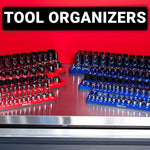
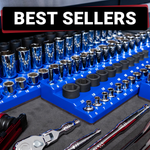
Real value is what the tool saves you over time. It can mean fewer replacements, less wasted movement, faster setup, and less frustration during repetitive work. A well-built socket organizer, for example, is not just storage. It helps you see what is missing, grab what you need faster, and reset your drawer without thinking about it.
That is why some of the best tool truck quality alternatives stand out most in organization systems. A mechanic’s efficiency is tied to visibility and access. When your sockets, wrenches, and pliers all have a defined place, your work gets cleaner. You move faster, and mistakes from grabbing the wrong size become less common.
This is also where direct-to-consumer brands can be especially strong. They often build product systems around real workflow problems instead of relying on old buying habits to carry the sale.
What a dependable alternative looks like today
A dependable alternative does not try to imitate the past. It focuses on what professional users actually need now.
That means durable materials, honest warranty coverage, and a lineup built around real shop use. It also means clear product information, reliable fulfillment, and support that respects your time. If you are buying online or through a dealer network, trust has to come from execution.
Brands that earn repeat business usually do a few things well. They stay focused on mechanic-relevant categories. They design products to solve practical problems. And they back those products with policies that lower buying risk instead of pushing it onto the customer.
That is why the strongest alternatives are not just “good for the money.” They are good tools, period. The lower overhead is a benefit, not an excuse.
Tool truck quality alternatives and the online trust problem
A lot of buyers still hesitate because they cannot put hands on every product first. That concern is fair. Tools are tactile, and bad online purchases can leave you with clutter instead of capability.
The fix is not blind trust. It is looking for proof points that reduce risk. Strong warranties help. Trial periods help. Fast customer support helps. Clear product photography and accurate descriptions help. Reviews can help too, but they matter more when they talk about repeated use, fit, finish, and durability instead of first impressions.
This is one area where Olsa Tools has leaned into what mechanics actually need - pro-grade performance, organized workflows, and support that does not leave you hanging when the workday is still moving.
Who should switch, and who should be careful
If you are tired of paying premium markup but still need pro-level durability, this category makes sense. It is especially appealing for mechanics expanding a box, mobile techs who need efficient storage, and serious DIY users building a long-term setup without compromising on performance.
If you rely heavily on habit, impulse buying, or one-brand loyalty, the switch may feel uncomfortable at first. That is not a quality issue. It is a buying habit issue. The adjustment is usually worth it if the tools perform and the support is there.
You should be careful only if you are comparing purely on appearance or buying from brands with thin category depth and vague warranty language. Low price alone is not a strategy. You still need proven design, reliable materials, and a company that stands behind the product.
The better move is simple: buy with standards, not assumptions. Judge the tool, the system, and the support together. That is how you find tool truck quality alternatives that actually earn drawer space.
The best tools are the ones you trust without thinking about them. When they work, stay organized, and hold up day after day, the label matters a lot less than the job getting done right.