





If you've ever climbed down from a truck step with a payment plan in your head and a half-full drawer in the box, you already know why a real tool truck brands comparison matters. For working mechanics, this is not about logos or bragging rights. It is about what holds up in daily use, what helps you move faster, and what makes sense when every tool purchase has to earn its spot.
The hard truth is that tool buying gets blurry when convenience is part of the sales pitch. A truck shows up at the shop, you can hold the tool, and the account is easy to keep rolling. That model works for some techs. But it can also hide the bigger question: are you paying for performance, or are you paying for the buying experience?
What a tool truck brands comparison should actually measure
Most comparisons start too high level. They talk about reputation, broad quality claims, and brand loyalty. In the shop, those things matter less than repeatable results. A smart tool truck brands comparison should focus on five things: steel and fit, warranty confidence, organization impact, buying friction, and long-term value.
Steel and fit come first because mechanics know the difference fast. A ratchet that feels loose early, a socket that rounds fasteners, or pliers that lose bite will cost you time long before they fully fail. Good tools should feel precise in the hand and stay that way under daily abuse.
Warranty confidence is next, but not just the warranty statement itself. The real test is how hard it is to get help when something breaks. A lifetime warranty sounds great until replacing a tool turns into a chase. Fast support matters because downtime is expensive.
Organization impact gets ignored in most buying decisions, and that is a mistake. The best tool in the world still slows you down if it lives in a drawer pile. Workflow matters. A shop setup that lets you see every socket, wrench, and plier in seconds will save more time over a year than most people realize.
Buying friction is another factor mechanics should be honest about. Some buyers like the face-to-face truck model. Others would rather order what they need, get it fast, and skip the markup tied to a mobile sales route. Neither approach is automatically right. It depends on how you buy, how fast you need replacement, and how much convenience is worth to you.
Long-term value is where the picture usually clears up. That does not mean buying the cheapest option available. It means understanding whether the quality, support, and usability line up with what you are putting into the box.
Where tool-truck buying still makes sense
There is a reason the tool-truck model has lasted. Immediate access matters. So does the ability to put a tool in your hand before you commit. For younger techs building a setup from scratch, weekly availability can feel easier than planning larger purchases.
There is also a trust factor. Some mechanics like dealing with one person who knows their route, remembers what they bought, and can handle swaps directly. In a busy service environment, that kind of routine can be useful.
But convenience has trade-offs. Buying in small bursts can lead to a collection built around what showed up that week instead of what your workflow actually needs. It also encourages reactive purchasing. You replace what broke. You add what you just needed. Meanwhile, drawer layout, access speed, and system-level organization stay messy.
Where the traditional model falls short
The biggest weakness in the classic truck approach is that it centers the transaction, not the full shop workflow. Mechanics do not just need individual tools. They need systems that reduce wasted motion, speed up retrieval, and keep expensive equipment protected.
That is where many buyers start rethinking what value really means. A premium finish and a familiar badge are one part of the equation. But if your socket rails slide around, your wrenches stack into each other, and your drawers turn into catch-alls, your setup is still costing you time every day.
Another issue is comparison itself. When most of your buying happens from one source, it is harder to step back and judge the full market on equal terms. You may never really compare warranty responsiveness, organization options, or whether similar manufacturing quality exists outside the truck model.
What mechanics should look for instead
The better approach is simple: buy like a shop owner, even if you are buying for your own box. Look for pro-grade construction, then ask whether the brand helps you work faster, stay organized, and replace tools without hassle.
That means paying attention to tolerances, finishes, grip, and durability, but also to the less flashy stuff. Can you build an organized system around your sockets, wrenches, pliers, and specialty tools? Can you trust the warranty process? Can you test the product without feeling locked in right away? Those factors decide whether a tool brand works in real life.
A lot of serious users are now looking beyond legacy truck channels for exactly that reason. They want the same level of jobsite performance without getting boxed into a model that treats organization as an afterthought.
Professional quality is not just about the badge
This is where many mechanics change their thinking. Professional quality does not come from a sales route. It comes from design standards, material quality, manufacturing consistency, and support after the sale.
That shift matters because the old assumption - that truck access automatically means better tools - is not always true anymore. Today, a mechanic can find professional-grade hand tools and storage systems built to work hard, with strong warranties and less buying friction, without relying on a weekly stop.
For buyers who care about efficiency, that opens the door to smarter setups. Instead of chasing pieces over time, you can build around complete categories and organization systems that make the box easier to use every hour of the day.
Why organization belongs in every comparison
If your current tool truck brands comparison leaves out organization, it is missing one of the biggest performance factors in the shop. The fastest techs are not just skilled. They are set up well.
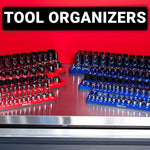
A clean drawer layout cuts search time, reduces duplicate purchases, and makes tool loss easier to spot. It also protects tools from unnecessary wear. When sockets are secured by size, wrenches are visible at a glance, and drawers open with a clear purpose, your workflow gets tighter.
That is a big reason organization-focused brands stand out. They are not only selling tools. They are solving the mess that steals minutes from every job. Over a week, those minutes add up. Over a year, they become real money and less frustration.
For a lot of mechanics, that practical benefit matters more than the old prestige factor. A tool that works and a drawer that stays dialed in will always beat a scattered setup with a bigger name attached to it.
How to make the right call for your shop
Start with the kind of work you actually do. If you are in heavy daily service, durability and fast replacement support should sit at the top of the list. If you work mobile, compact organization and carry efficiency matter even more. If you are a serious DIY user, value and long-term versatility may outweigh the need for route-based purchasing.
Then look at your current pain points honestly. Are you losing time because your tools are hard to find? Are you replacing certain categories too often? Are you buying based on convenience instead of a plan? Those answers will tell you more than any logo ever will.
A smart buyer compares the full experience: tool quality, storage logic, warranty support, buying flexibility, and whether the setup helps get jobs out the door faster. That is the comparison that counts.
Brands built around mechanics' real workflows, including companies like Olsa Tools, are pushing this conversation in the right direction. The value is not just in having a tool that can survive hard use. It is in having a system that helps you work cleaner, faster, and with fewer compromises.
The best box is not the one with the most recognizable story behind it. It is the one that saves you time every time you open a drawer.