





A ratchet that slips under load, a socket that rounds fasteners, a drawer full of mixed-up tools - that stuff costs more than money. It costs time, trust, and momentum in the middle of a job. That is why choosing between professional grade tool brands is not about chasing hype. It is about finding tools that hold up, work clean, and keep your workflow moving.
For mechanics, technicians, and serious hands-on users, the real question is not which brand looks the part. It is which one earns space in your cart, your service truck, and your top drawer. A professional-grade label means nothing if the tool does not perform day after day, or if the company disappears when something goes wrong.
What professional grade tool brands should actually deliver
Professional tools are built for repetition, not occasional use. They need to handle daily torque cycles, impacts, contaminated environments, and the kind of abuse that happens when work has to get done now. That starts with material quality, but it does not end there.
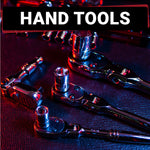
A true pro-level brand gets the basics right. Fit and finish should be consistent. Tolerances should feel tight. Chrome should hold up. Knurling should give you control with oily hands. Ratchet mechanisms should engage cleanly, and wrench jaws should grip fasteners without unnecessary slop. None of that is glamorous, but all of it matters.
The better brands also think beyond the tool itself. If your sockets are scattered, your wrenches are stacked, and your drawer setup slows you down, then even a strong tool collection can work against you. Professional use is not just about strength. It is about speed, organization, and repeatable efficiency.
The biggest difference between good and great brands
Most brands can make a tool that looks decent in a product photo. The gap shows up in long-term use.
Great brands focus on consistency across the whole lineup. One solid ratchet is nice. A full system of sockets, wrenches, torque tools, pry bars, pliers, impact accessories, and organization products that all support real shop work is a different level. That consistency matters when you are building a setup you plan to rely on for years.
It also shows up in product design. Some tools are made to check a catalog box. Others are clearly designed by people who understand what it is like to work from a crowded cart, a service truck, or a packed drawer. The best professional grade tool brands pay attention to how tools are grabbed, stored, identified, and returned during actual jobs.
That is where organization deserves more respect than it usually gets. Wasted motion adds up. When every socket has a home and every wrench can be found in a second, the whole bay runs better. A brand that treats organization as part of tool performance is usually thinking like the end user, not just the seller.
How to evaluate professional grade tool brands in the real world
Start with fit. A tool should inspire confidence the first time you use it. Sockets should seat properly. Extensions should lock in without feeling loose. Ratchets should switch direction cleanly. Pliers should move smoothly without feeling flimsy. These details tell you whether the brand is serious about manufacturing standards.
Then look at durability where it counts. Not every tool needs to be overbuilt for the sake of it, but high-use items should feel ready for daily punishment. If a ratchet head feels weak, a wrench flexes too much, or an organizer falls apart after routine use, that is not professional grade. That is short-term thinking.
Next, look at range and system support. If a brand helps you build a complete, organized setup instead of piecing together random one-off purchases, that is a good sign. Mechanics do not buy tools in isolation. They build working systems. Storage and access matter just as much as steel quality when the goal is speed and consistency.
Finally, pay attention to how the company stands behind the product. Warranty terms matter, but so does responsiveness. A strong promise means more when customer service actually answers quickly and handles problems without making you fight for it. A tool brand should make ownership easier, not turn every issue into a second job.
Why value matters more than image
There is a difference between cheap and cost-effective. Serious users know that. They will pay for performance, but they do not want to overpay for branding, middlemen, or inflated sales models if they can get the same level of utility another way.
That is why value has become such a serious factor when comparing professional grade tool brands. Buyers are looking harder at where tools are made, how they perform, and whether the premium is actually justified. If a brand delivers professional standards, strong warranties, and dependable support without the traditional markup, that is not a compromise. That is a smart buy.
There is some nuance here. The lowest price is rarely the best answer for working professionals. Downtime is expensive, and replacing failed tools costs time you do not get back. But paying more only makes sense when the performance, support, and ownership experience actually improve. A higher invoice alone does not prove higher quality.
Tool organization is part of professional grade performance
A lot of buyers still separate tools from storage, as if one matters and the other is optional. In a real shop or mobile setup, that mindset falls apart fast.
A professional setup should reduce wasted motion. It should help you see missing tools immediately, grab the right size quickly, and keep your drawers clean enough to work without frustration. That is not about looking tidy for the sake of it. It is about productivity.
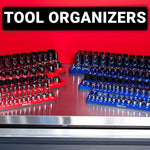
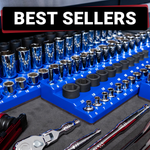
Brands that invest in mechanic-specific organization systems usually understand how work actually happens. Socket organizers, wrench organizers, modular drawer layouts, and customizable grid systems are not extras when your day depends on efficiency. They are part of the same performance standard as a strong ratchet or a reliable torque tool.
This is also where serious DIY users can learn from professionals. If you want pro-level results, build a pro-level workflow. The right tool brand should help you do both.
Signs a brand is built for working users
The strongest brands tend to share a few traits. Their catalog makes sense for actual jobs, not just marketing categories. Their product descriptions focus on use, durability, and fit instead of vague claims. Their guarantees are clear. Their support feels reachable. And their products are built around the way mechanics and technicians actually move through a task.
A dependable brand also respects your time. That can mean fast shipping, fast support, practical warranty coverage, or a trial period that removes some of the risk of buying online. Those things matter because trust is earned after the sale, not before it.
Olsa Tools fits this model by focusing on professional-grade hand tools and mechanic-first organization systems with strong warranty support and a practical buying experience. That approach speaks to what a lot of working users want now - dependable tools, honest value, and less friction.
When one brand is not enough
There is no rule that says every tool in your shop has to come from one source. In fact, many experienced mechanics build their setup over time based on specialty, feel, and task. That is normal.
Still, there is real value in choosing brands that offer consistency across categories you use every day. A more unified setup often means better storage compatibility, easier replacement, and fewer weak links in your workflow. If you are constantly adapting organizers, replacing oddball pieces, or dealing with uneven quality, your setup starts fighting you.
So yes, it depends. If you already have a mixed collection that works, you may only need to upgrade the tools and storage that create the most friction. But if you are starting fresh or rebuilding a drawer system, it makes sense to think in terms of a complete working platform rather than isolated purchases.
The right choice is the one that holds up under pressure
When you strip away the marketing, professional grade tool brands should do a few things really well. They should last. They should fit right. They should help you work faster. And they should come from a company that treats support as part of the product.
That standard applies whether you turn wrenches all day, run a mobile service route, or spend nights and weekends building a serious home garage. The badge on the tool matters less than what happens after months of hard use.
Pick the brand that respects your work, not just your wallet. If it helps you stay organized, keeps quality consistent, and shows up when it is time to back the warranty, that is the kind of tool brand worth building around.